Understanding Reclaimed Water Systems
As the demand for sustainable water use continues to grow, the adoption of reclaimed water systems has become increasingly significant. These systems offer innovative solutions for treating and repurposing wastewater, turning an environmental challenge into a resource. By utilizing advanced technologies for treatment, reclaimed water systems not only mitigate water scarcity but also promote environmental stewardship and sustainability across various sectors.
What Are Reclaimed Water Systems?
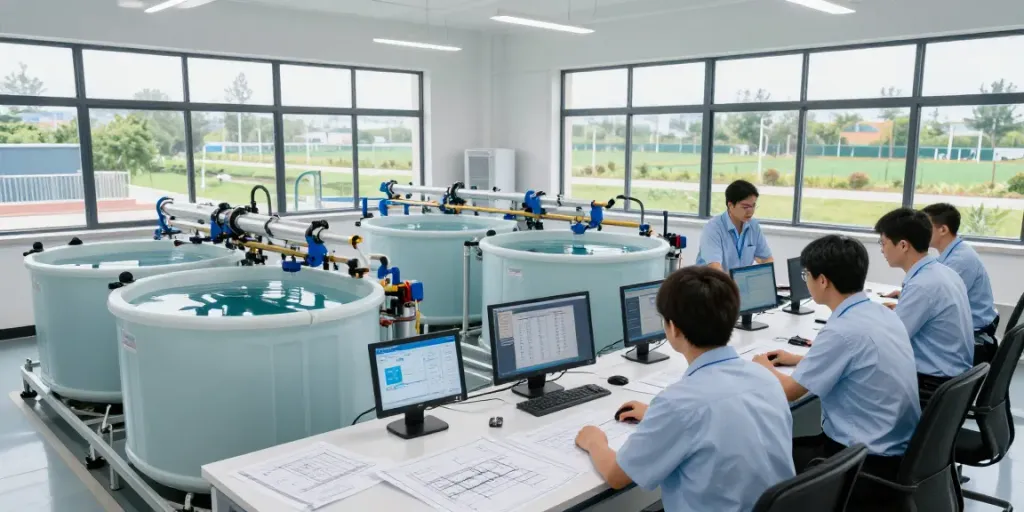
Reclaimed water systems are engineered solutions designed to treat wastewater until it meets specific standards for various uses. This can include municipal wastewater, stormwater, or greywater, which undergoes rigorous purification processes. The goal of these systems is to recycle water, allowing it to be reused for non-potable applications such as irrigation, industrial processes, and toilet flushing, thereby conserving precious freshwater supplies.
Benefits of Using Reclaimed Water
Utilizing reclaimed water presents numerous advantages:
- Resource Conservation: Reduces the reliance on traditional water sources, preserving freshwater for drinking and other essential uses.
- Cost Efficiency: Reclaimed water can be significantly cheaper than sourcing new water, reducing operational costs for municipalities and industries.
- Environmental Protection: Helps in lowering wastewater discharge into natural water bodies, thus protecting aquatic ecosystems.
- Resilience to Drought: Provides a reliable alternative water source during periods of water scarcity.
Common Applications in Industry and Municipalities
Reclaimed water systems find a wide range of applications, including:
- Agriculture: Used for irrigation, supporting crop production while reducing the need for potable water.
- Landscaping: Parks, golf courses, and urban landscaping benefit from reclaimed water, promoting greener environments.
- Industrial Use: Factories utilize reclaimed water for processes such as cooling, reducing their freshwater consumption.
- Recreational Water: Swimming pools and water parks often incorporate reclaimed water for operational safety and sustainability.
Advanced Technologies in Reclaimed Water Systems
Implementing advanced technologies is critical in enhancing the efficiency and effectiveness of reclaimed water systems. Several key technologies are at the forefront of this sector.
Membrane Bioreactor (MBR) Technology
MBR technology combines biological treatment and membrane filtration processes. This innovation enables the effective removal of contaminants and pathogens, resulting in high-quality effluent suitable for various applications. MBR systems are compact and can be easily integrated into existing infrastructure, making them ideal for urban environments.
Ultrafiltration (UF) and Reverse Osmosis (RO)
UF and RO are essential membrane technologies used for the further purification of reclaimed water. UF is effective at removing suspended solids, bacteria, and viruses, while RO employs pressure to remove dissolved salts and organic contaminants from water. Together, these technologies ensure the production of high-quality reclaimed water, making it safe for a variety of uses, including irrigation and industrial applications.
Integration of Smart Technologies for Optimization
To maximize the efficiency of reclaimed water systems, integrating smart technologies such as IoT sensors and automated monitoring systems is crucial. These technologies allow for real-time data collection and analysis, enabling operators to optimize processes, reduce energy consumption, and enhance the overall performance of water treatment plants.
Implementing Containerized Reclaimed Water Solutions
Containerized reclaimed water solutions are revolutionary in addressing water management challenges, especially in remote or decentralized locations.
Design Considerations for Containerized Units
Containerized systems are designed for flexibility and ease of deployment. Key considerations include:
- Modularity: Systems should be designed to be expandable based on demand, allowing for scalable water treatment capabilities.
- Transportability: Compact designs facilitate transportation to various locations, enabling rapid response to changing water needs.
- Durability: Units must be built to withstand diverse environmental conditions, ensuring long-term operational reliability.
Deployment in Remote Locations
Containerized reclaimed water systems are particularly beneficial for remote facilities lacking access to centralized water infrastructure. They can be quickly deployed in construction sites, mining operations, or disaster relief scenarios, ensuring that communities have immediate access to treated water resources.
Case Studies: Successful Implementations
Real-world examples underscore the efficacy of containerized reclaimed water systems:
- Construction Sites: A major construction company in Australia implemented a portable reclaimed water system that reduced water usage by 50% during construction, enabling sustainable practices on-site.
- Remote Communities: A community in rural Africa deployed a containerized system that transformed greywater into usable irrigation water, significantly improving local agriculture and food security.
Challenges and Misconceptions About Reclaimed Water
Despite the clear benefits, misconceptions and challenges still exist surrounding the use of reclaimed water.
Addressing Health and Safety Concerns
One of the primary concerns related to reclaimed water is its safety for human contact and consumption. It is crucial to educate communities on the thorough treatment processes that ensure reclaimed water is free from harmful pathogens and contaminants, making it safe for its intended uses.
Regulatory Hurdles in Different Regions
Regulations concerning reclaimed water vary widely by region. Navigating these regulatory frameworks can be complex, requiring clear guidelines and standards for treatment processes to ensure compliance and public acceptance.
Myths vs. Facts in Water Reclamation
Several myths about reclaimed water can hinder its acceptance:
- Myth: Reclaimed water smells bad.
- Fact: Advanced treatment methods ensure that reclaimed water is odorless and clear.
- Myth: It is unsafe to use reclaimed water for irrigation.
- Fact: Properly treated reclaimed water is often safer than untreated surface water.
The Future of Reclaimed Water Systems
Looking forward, reclaimed water systems are poised to play a crucial role in global water sustainability efforts.
Trends to Watch in 2026 and Beyond
As we move into 2026, the following trends are anticipated:
- Increased Adoption: More municipalities and industries will integrate reclaimed water into their operations as technology advances and public perception shifts.
- Technological Innovations: Ongoing research and development will lead to more efficient treatment processes and reduced energy consumption.
The Role of Policy and Regulation
Governments worldwide will need to create supportive policies that encourage the development and adoption of reclaimed water systems. This includes funding for research, establishing clear regulatory frameworks, and promoting public awareness programs.
Innovative Partnerships for Sustainable Solutions
Collaboration among private sector companies, public agencies, and research institutions will be vital in fostering innovation and driving the growth of reclaimed water systems. These partnerships can facilitate knowledge sharing, resource allocation, and the establishment of best practices.
How Can Reclaimed Water Contribute to Sustainability Goals?
Reclaimed water systems are integral to achieving sustainability goals. By conserving freshwater resources and promoting water reuse, they support climate resilience, economic development, and social equity, ensuring a sustainable water future for generations to come.