Understanding the Importance of Precision in Aerospace Manufacturing
In the aerospace industry, the demand for precision is non-negotiable. The components used in aviation and space exploration must meet rigorous safety and performance standards, as even the smallest error can lead to catastrophic failures. As a result, leading aerospace CNC parts manufacturers apply advanced technologies and methodologies to ensure that every machined part adheres to strict tolerances. From the conceptualization of prototypes to the full-scale production of components, precision engineering plays an integral role in maintaining the safety and efficiency of aerospace technologies.
What Defines Precision in Aerospace CNC Machining?
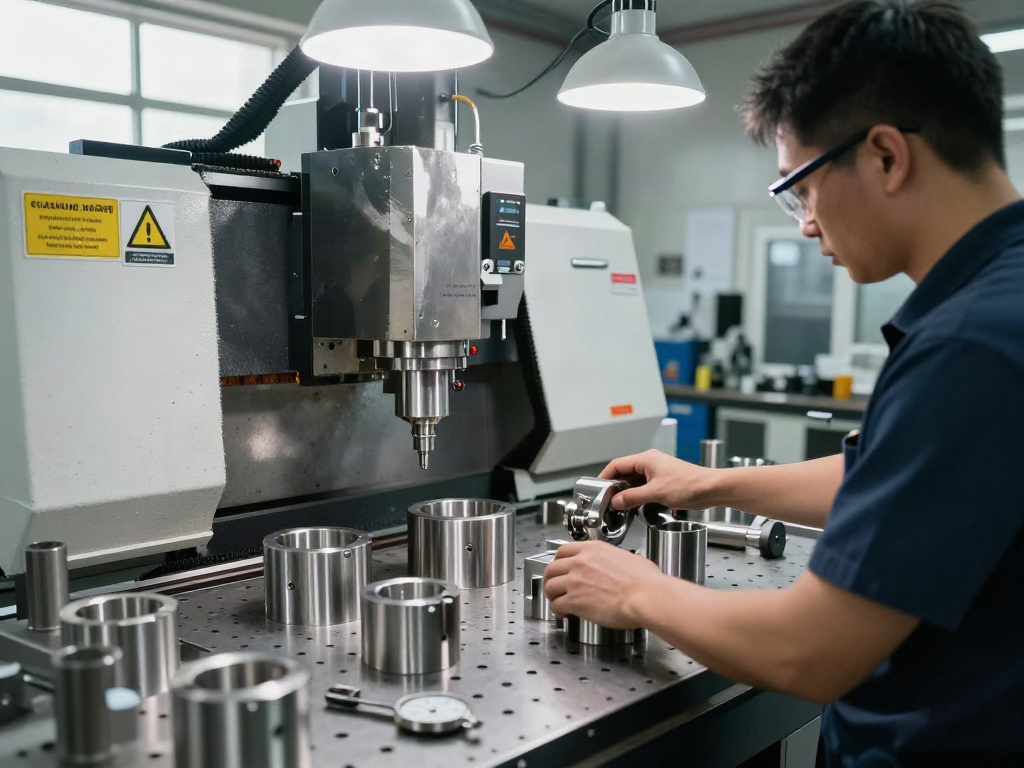
Precision in aerospace CNC machining refers to the ability to consistently produce parts that meet defined specifications without deviation. This includes factors such as dimensional accuracy, surface finish, and material integrity. Aerospace components often require tolerances in the range of microns; thus, manufacturers utilize advanced CNC (Computer Numerical Control) machines equipped with high-resolution feedback systems to achieve and maintain these standards. Employing techniques such as multi-axis machining and sophisticated tooling allows manufacturers to manufacture intricate geometries that are typical in the aerospace sector.
Challenges in Achieving Precision for Aerospace Parts
While technology has advanced significantly, achieving precision in aerospace machining is not without its challenges. Variations in material properties, machine calibration issues, and environmental factors can all impact production quality. Additionally, the complexity of aerospace designs necessitates a deep understanding of both the materials used and the machining processes involved. Manufacturers must continuously invest in training, quality control, and equipment maintenance to mitigate these challenges and ensure compliance with industry standards.
Best Practices for Precision CNC Machining in Aerospace
To ensure high-quality results in aerospace CNC machining, several best practices should be followed:
- Implementing a robust quality assurance program to monitor each phase of production.
- Investing in state-of-the-art CNC machines and tooling to enhance precision.
- Utilizing advanced software for design and simulation to catch potential issues early.
- Conducting regular training sessions for machinists to stay updated on the latest techniques.
- Establishing strong supplier relationships for consistent material quality.
The Role of Advanced Materials in Aerospace CNC Machining
Choosing the right materials is crucial in aerospace manufacturing since they directly affect the performance and durability of components. Today, manufacturers leverage a diverse range of metals and polymers to meet the unique demands of various aerospace applications. Leading aerospace CNC parts manufacturers are at the forefront of material innovation, as they align with industry trends and material advancements.
Common Metal Materials Used in Aerospace Manufacturing
When it comes to metals, several alloys are favored for their strength-to-weight ratio and resilience to extreme conditions. The most commonly used materials include:
- Aluminum Alloys: Known for their lightweight and corrosion-resistant properties, aluminum is extensively used in aircraft components.
- Titanium Alloys: With excellent strength and heat resistance, titanium is vital for parts such as landing gear and engine components.
- Stainless Steel: Used for various applications due to its strength and resistance to corrosion.
- Nickel Alloys: Particularly suited for high-temperature applications in jet engines.
Plastic Materials Essential for Aerospace Applications
In addition to metals, several high-performance plastics are critical in aerospace manufacturing, serving a variety of functions:
- Polycarbonate (PC): Offers high impact resistance and optical clarity.
- Polyethylene (PE): Used for its lightweight and flexibility.
- Polyamide (PA): Commonly known as Nylon, utilized for its strength and durability.
- Acrylic (PMMA): Often used in transparent components due to its excellent clarity.
Future Trends in Material Technology for Aerospace Parts
The aerospace industry is continuously evolving, with material technology playing a pivotal role in this transformation. Future trends include the development of advanced composite materials that provide superior strength while reducing weight. Additionally, the rise of additive manufacturing, or 3D printing, allows for the production of complex geometries that traditional manufacturing methods may struggle to achieve. These innovations aim to enhance performance, reduce costs, and lower environmental impact.
Innovative Techniques in Aerospace CNC Machining
As the aerospace industry advances, so do the techniques used in CNC machining. Manufacturers are leveraging new methodologies to enhance efficiency and precision in production.
Rapid Prototyping vs. Mass Production: Which is Better?
Rapid prototyping provides a speed advantage in creating quick iterations of designs, allowing for testing and modification before mass production. This technique is invaluable for aerospace manufacturers, as it significantly reduces time from concept to final product. However, for high-volume needs, mass production is often more cost-effective, requiring a different set of techniques and setups to ensure consistency across numerous units. The choice between the two often relies on project scope and financial considerations.
The Advantages of 5-Axis Machining in Aerospace
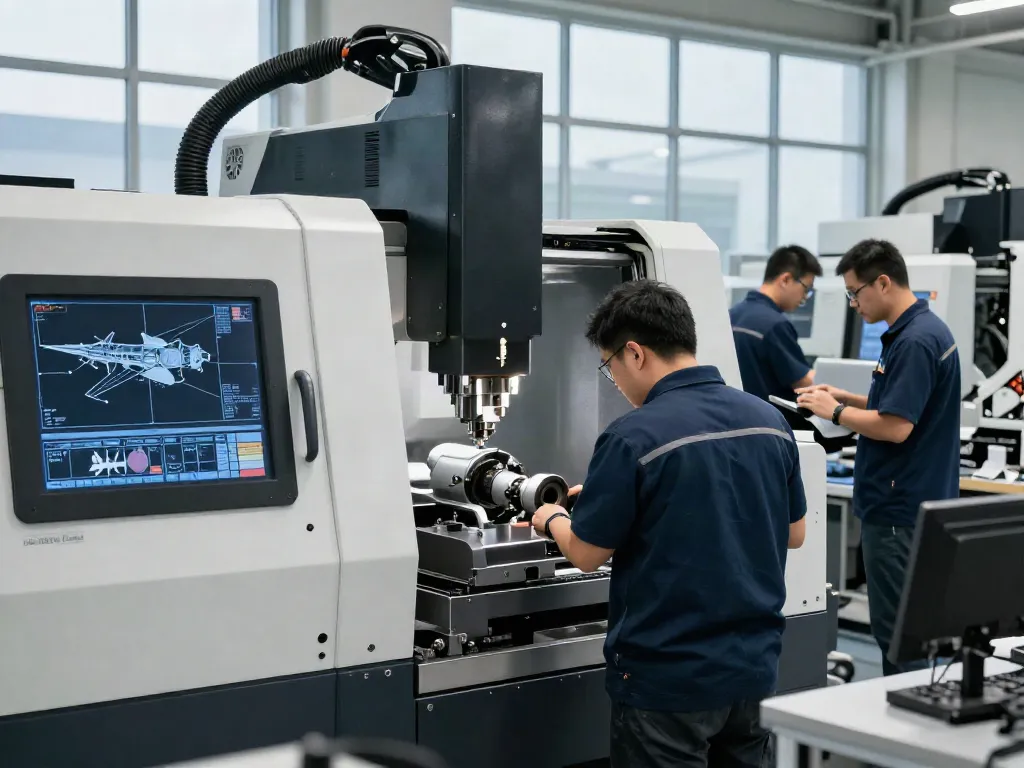
5-axis machining is a transformative technique for aerospace manufacturing. Unlike traditional 3-axis machining, it allows for movement across five axes simultaneously, enabling the creation of more complex geometries in a single setup. This leads to:
- Improved precision and accuracy in intricate designs.
- Reduction in production time and costs due to fewer setups.
- Enhanced surface finishes, minimizing the need for secondary operations.
Case Studies: Successful Applications of Innovative Techniques
Real-world applications illustrate the impact of innovative techniques in aerospace CNC machining. For example, a leading aerospace manufacturer employed 5-axis machining to produce critical components for a next-generation aircraft, resulting in a 30% reduction in production time and a significant decrease in production costs. Similarly, rapid prototyping was used in the design of a new drone model, allowing for multiple design iterations to be tested and refined before entering full-scale production, drastically improving the final product's performance metrics.
Cost-Effectiveness and Competitive Pricing in Aerospace CNC Services
In a highly competitive aerospace landscape, cost-effectiveness without compromising quality is paramount. Understanding the factors influencing CNC machining costs can help manufacturers make informed decisions.
Factors Influencing Costs of Aerospace CNC Machining
The cost of aerospace CNC machining is affected by several factors, including:
- Material selection and availability.
- Complexity of the design and required tolerances.
- Production volume and lead times.
- Technology used in the manufacturing process.
- Labor costs associated with skilled machinists.
Strategies for Reducing Manufacturing Costs While Maintaining Quality
Manufacturers can implement several strategies to optimize costs while ensuring quality is upheld:
- Utilizing advanced automation to minimize labor costs.
- Implementing lean manufacturing principles to streamline operations.
- Investing in training for employees to enhance skills and reduce errors.
- Engaging in predictive maintenance to prevent machine downtime.
Comparing Prices: Leading Aerospace CNC Parts Manufacturers
When analyzing costs, it's crucial to compare prices among various aerospace CNC parts manufacturers. Factors such as the quality of materials, technology used, and turnaround times can impact pricing. It's advisable to conduct comprehensive research and obtain quotes to ensure the best value for your aerospace components.
Future Outlook for Aerospace CNC Machining in 2026 and Beyond
As we advance into the next decade, the future of aerospace CNC machining looks promising, driven by technological innovations and rising demand for efficient manufacturing processes.
Emerging Technologies Shaping the Future of Aerospace Manufacturing
Technologies such as artificial intelligence (AI) and machine learning are set to revolutionize aerospace manufacturing by optimizing production processes and enhancing predictive maintenance capabilities. Additionally, the integration of IoT (Internet of Things) devices will facilitate real-time monitoring and data analysis, leading to improved decision-making and operational efficiency.
Predictions for Market Growth and Demand for Aerospace Parts
The global aerospace market is projected to grow significantly, driven by increasing air travel and advancements in space exploration. This growth will lead to higher demand for precision-engineered components, prompting manufacturers to scale up operations and adopt more efficient production techniques.
How Leading Manufacturers are Adapting to Industry Changes
Leading aerospace manufacturers are proactively adapting to these changes by investing in research and development, embracing automation, and exploring sustainable practices. This forward-thinking approach not only enhances their competitive edge but also aligns with growing regulatory and consumer expectations for sustainability in manufacturing.
What are the benefits of using CNC machining in aerospace?
CNC machining offers unparalleled precision, repeatability, and the ability to produce complex geometries, making it ideal for aerospace applications where safety and performance are quintessential.
Who are the top players in the aerospace CNC manufacturing industry?
Some of the top players include Boeing, Lockheed Martin, and Northrop Grumman, alongside specialized CNC manufacturers like Honscn.
How can businesses choose the right aerospace CNC parts manufacturer?
Businesses should evaluate manufacturers based on their expertise, quality certifications, technology used, and customer reviews to ensure they choose a partner that meets their specific needs.
What materials are most commonly used in aerospace parts?
Common materials include aluminum alloys, titanium, stainless steel, and various high-performance plastics tailored for aerospace applications.
How is technology evolving the aerospace CNC machining landscape?
Technological advancements in automation, 3D printing, and machine learning are driving innovation and efficiency in aerospace CNC machining, allowing manufacturers to meet the growing demands of the industry.