Understanding the Basics of CNC Machined Stainless Steel Parts
CNC machined stainless steel parts have become a cornerstone in various industries due to their unmatched durability, precision, and versatility. They are fabricated using Computer Numerical Control (CNC) technology, which allows for highly detailed and complex geometries. This advanced manufacturing process not only enhances production efficiency but also elevates product quality, making it an ideal choice for applications ranging from aerospace to medical devices. When exploring options, cnc machined stainless steel parts offer comprehensive insights into materials and manufacturing techniques that ensure optimal outcomes for your projects.
What Are CNC Machined Stainless Steel Parts?
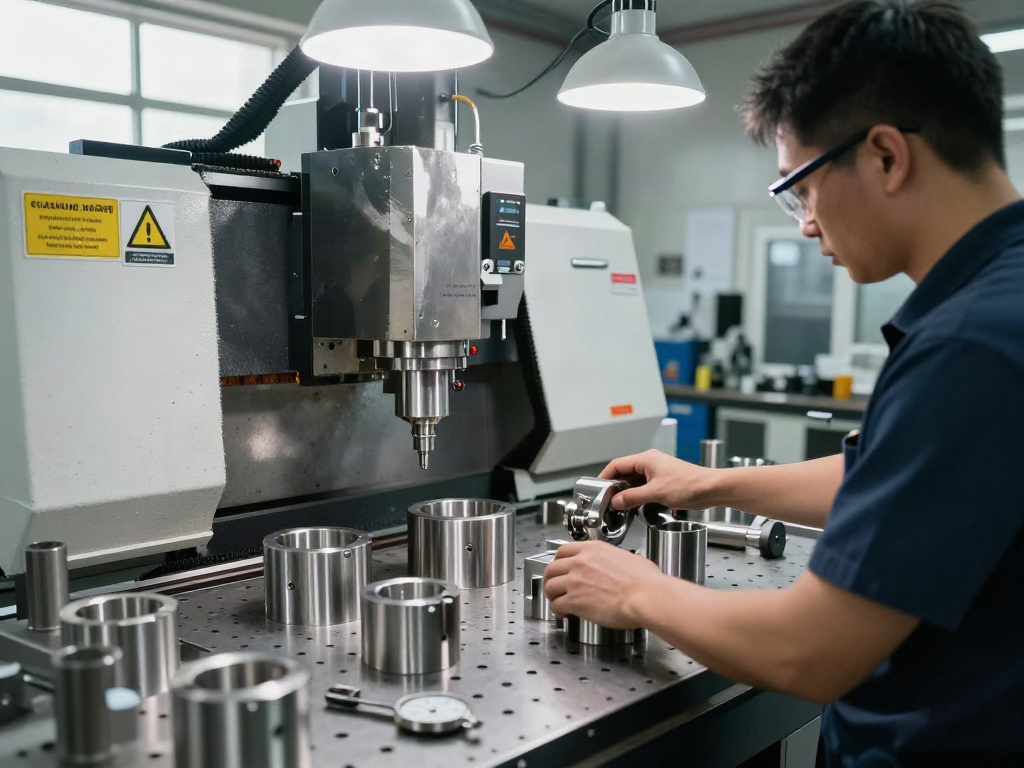
CNC machined stainless steel parts refer to components made from stainless steel alloys using CNC machining processes. These parts are characterized by their high strength, versatility, and resistance to corrosion. Stainless steel, being a favored material in engineering and manufacturing, allows for the creation of intricate designs that meet stringent industry standards. Typical applications include connectors, brackets, and housings, which can be tailored to specific requirements.
The Importance of Material Selection in CNC Machining
The choice of material significantly impacts the performance and longevity of CNC machined parts. Stainless steel is particularly valued for its mechanical properties, including tensile strength and toughness. Various grades, such as 304 and 316, cater to different operational environments. For instance, 316 stainless steel is preferred in marine applications due to its enhanced corrosion resistance compared to other grades. Proper material selection aligns with the mechanical demands of the application, ensuring reliability and efficiency.
How CNC Machining Works: An Overview of the Process
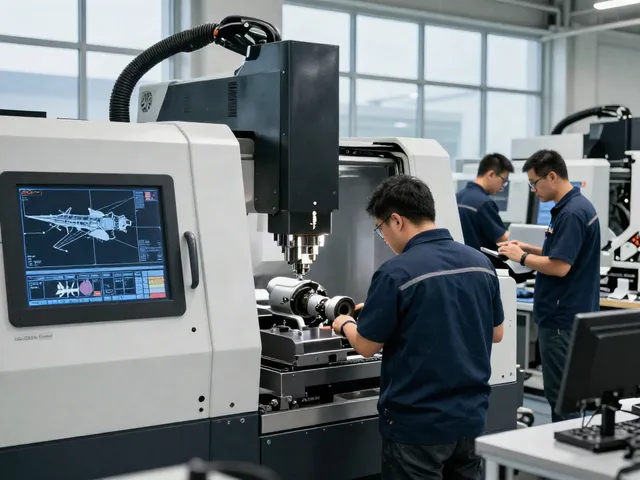
The CNC machining process involves several key steps: design, programming, machining, and finishing. Initially, engineers create a detailed design using CAD (Computer-Aided Design) software. This design is then translated into a CNC program that directs the machinery on how to cut, mill, or turn the material. The machining process utilizes various tools that remove material in precise amounts to achieve the desired shape and size. Finally, additional finishing processes such as polishing or coating may be applied to enhance the surface characteristics of the machined part.
Key Benefits of Using CNC Machined Stainless Steel Parts
Enhanced Durability and Corrosion Resistance
CNC machined stainless steel parts are renowned for their exceptional durability, enabling them to withstand extreme temperatures and harsh environmental conditions. Their intrinsic corrosion resistance is vital in industries such as food processing and pharmaceuticals, where hygiene and material integrity are paramount. Additionally, these parts demonstrate significant fatigue resistance, making them suitable for applications involving repetitive stress.
Precision and Accuracy in Manufacturing
Precision is a hallmark of CNC machining, allowing for tolerances of up to ±0.001 inches. This level of accuracy ensures that parts fit together seamlessly, reducing the need for rework and enhancing overall product quality. For industries where dimensional precision is crucial, such as aerospace and automotive, CNC machined stainless steel parts provide a reliable solution to meet stringent specifications.
Cost-Effectiveness for Large Production Runs
While the initial setup costs for CNC machining can be higher than traditional manufacturing methods, the efficiencies gained during mass production make it cost-effective in the long run. CNC machines can operate continuously with minimal downtime, allowing for the rapid production of large quantities of parts. This scalability is critical for businesses looking to meet increasing demands without sacrificing quality.
Common Applications of CNC Machined Stainless Steel Parts
Industries Utilizing CNC Machined Parts
Numerous industries benefit from CNC machined stainless steel parts. The aerospace sector relies on these components for their lightweight yet strong properties, while the medical industry utilizes them for surgical instruments and implants due to their biocompatibility and corrosion resistance. The automotive industry also employs CNC machined components in critical engine parts and structural elements.
Examples of Custom Parts in Medical and Aerospace Fields
In the medical field, custom CNC machined parts are essential for devices such as stents, surgical tools, and implantable devices, where precision and safety are non-negotiable. Similarly, in aerospace, components like brackets, housings, and cockpit instruments are manufactured with high levels of accuracy to ensure safety and functionality under extreme conditions.
Role in Food and Beverage Processing Equipment
The food and beverage industry also utilizes CNC machined stainless steel parts for various equipment, including mixers, grinders, and packaging machinery. Given the need for hygiene, these components must withstand aggressive cleaning processes without degrading, making stainless steel an ideal choice.
Emerging Trends in CNC Machining for 2026
Technological Advancements in CNC Machines
The CNC machining landscape is continuously evolving, with advancements in automation, software integration, and machine learning. New technologies are enabling faster and more efficient operations, including automated tool changers and advanced sensors that improve production accuracy. As these technologies advance, manufacturers will be able to achieve even tighter tolerances and reduce cycle times.
Sustainability and Eco-Friendly Practices
With an increasing focus on sustainability, the CNC machining industry is adopting eco-friendly practices. Innovations in material recycling and energy-efficient operations are becoming more prevalent. Manufacturers are now looking for ways to minimize waste and reduce their carbon footprint, which is appealing to environmentally conscious clients and businesses.
Increased Automation and Industry 4.0 Integration
Automation is transforming CNC machining, leading to the rise of smart factories. Integration with Industry 4.0 technologies allows for real-time data monitoring and analysis, enhancing decision-making and operational efficiency. This shift enables manufacturers to respond swiftly to market demands and achieve greater flexibility in production.
Best Practices for Sourcing CNC Machined Stainless Steel Parts
Identifying Reliable Suppliers and Manufacturers
When sourcing CNC machined stainless steel parts, identifying reliable suppliers is critical. Companies should look for vendors with a solid track record in the industry and good customer reviews. Engaging with manufacturers that hold certifications such as ISO 9001 can also indicate adherence to quality management standards.
Evaluating Quality Standards and Certifications
It’s essential to evaluate the quality standards upheld by your supplier. Certifications can indicate that a manufacturer follows stringent quality control measures. Familiarity with industry-specific standards is vital, especially for sectors like aerospace and medical devices where safety is paramount.
Negotiation Tips for Cost-Effective Production
Cost negotiations are an essential part of procurement. To achieve cost-effective production, businesses should consider long-term partnerships with suppliers, as bulk orders can reduce per-unit costs. Transparent communication regarding project timelines and expectations can also foster favorable negotiation outcomes.
What are the advantages of CNC machining over traditional methods?
CNC machining offers several advantages over traditional manufacturing methods, including increased precision, reduced labor costs, and the ability to automate repetitive tasks. Unlike manual machining, CNC machining minimizes human error, leading to higher consistency and quality in finished products.
How do I choose the right stainless steel grade for my project?
Choosing the right stainless steel grade depends on the specific requirements of the application. Factors to consider include environmental exposure, stress levels, and required corrosion resistance. Consulting with a material specialist can provide valuable insights to ensure optimal material selection.
What industries benefit most from CNC machined stainless steel parts?
Industries that benefit most from CNC machined stainless steel parts include aerospace, medical, automotive, and food processing. Each of these sectors requires high precision and durability to meet strict operational demands and regulations.
What is the typical lead time for custom CNC parts manufacturing?
Lead times for custom CNC parts manufacturing can vary widely based on the complexity of the part, volume requirements, and supplier capabilities. Generally, lead times can range from a few days for simpler parts to several weeks for more complex designs.
How can I ensure precision in my CNC machined parts?
To ensure precision in CNC machined parts, it’s crucial to maintain strict quality control throughout the manufacturing process. Utilizing high-quality materials, employing skilled operators, and regularly calibrating CNC machines can significantly enhance overall accuracy and precision.