Understanding Smart Home Technology
As the world becomes increasingly interconnected, the concept of smart home technology has transformed from a futuristic vision to a practical reality. With advancements in automation and connectivity, households are now equipped with devices that enhance convenience, efficiency, and security. The smart home revolution is being spearheaded by companies like جهان اسمارت, providing innovative solutions that enable homeowners to control every aspect of their living spaces with ease. Understanding the intricacies of home automation is essential for anyone looking to streamline their daily activities and improve their quality of life.
What is Home Automation?
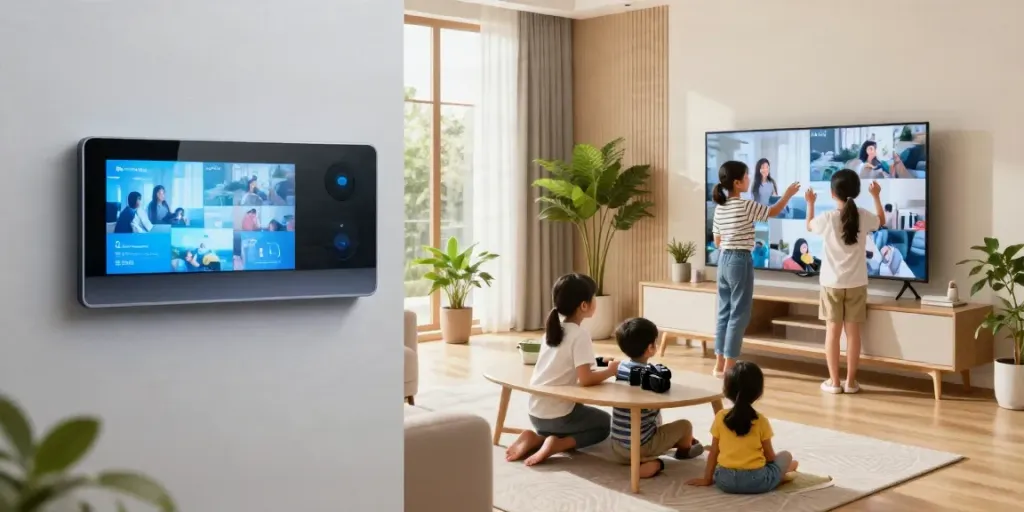
Home automation refers to the use of technology to control various systems and appliances in a home, such as lighting, heating, security, and entertainment systems, from a centralized interface. This technology allows users to manage their homes remotely via smartphones, tablets, or dedicated devices, leading to enhanced convenience and improved energy efficiency.
Key Components of a Smart Home
A smart home comprises several key components that work together to provide a seamless automated experience. These components include:
- Smart Lighting: Adjustable and remotely controlled lights that can change brightness and color based on user preferences.
- Smart Thermostats: Devices that learn users' schedules and preferences, optimizing heating and cooling systems for energy efficiency.
- Smart Security Systems: Solutions including cameras, motion sensors, and smart locks that provide enhanced security and peace of mind.
- Smart Appliances: Refrigerators, ovens, and washers that can be controlled remotely and can communicate with other devices.
- Smart Speakers: Voice-activated assistants that can control other smart devices and provide information.
Benefits of Implementing Smart Technology
Adopting smart home technology offers numerous advantages, including:
- Enhanced Convenience: Automating routine tasks reduces manual effort and saves time.
- Energy Efficiency: Smart devices can monitor energy consumption and adjust usage to minimize waste and lower utility bills.
- Improved Security: Remote monitoring and control of security systems provide reassurance and protection against intruders.
- Increased Property Value: Homes equipped with smart technology often see an increase in market appeal and resale value.
Choosing the Right Smart Devices
When venturing into home automation, selecting the appropriate smart devices is crucial for achieving the desired level of functionality and convenience. The vast array of options can be overwhelming, but understanding what to look for can make the decision-making process easier.
Essential Devices for Every Home
While the choice of devices may vary according to individual preferences, some essential devices are typically recommended for every smart home:
- Smart Hub: A central control system that connects and manages all smart devices.
- Smart Lights: LED bulbs that can be dimmed or changed in color from anywhere.
- Smart Thermostat: A device that adapts to living patterns and helps in saving energy.
- Smart Security Camera: Cameras that allow homeowners to monitor their property remotely.
- Smart Doorbell: A doorbell with a built-in camera that allows for video interaction with visitors.
Factors to Consider When Buying
When selecting smart devices, consider the following factors:
- Compatibility: Ensure the devices can integrate with your existing technology and platform.
- Scalability: Choose devices that allow for future expansions or additions as your needs grow.
- Security: Look for robust security features to protect your home network from vulnerabilities.
- User-Friendly Interface: Opt for devices with intuitive controls and easy setup processes.
Top Brands and Products in 2026
The smart home market is continuously evolving, with brands consistently innovating to offer cutting-edge products. Some of the top brands anticipated to lead the market in 2026 include:
- Amazon: Known for its Echo line, offering voice control and smart device connections.
- Google: The Nest line, with smart thermostats and security products.
- Apple: HomeKit compatible devices that emphasize security and ease of use.
- Samsung: SmartThings platform that integrates a wide range of devices.
- Jahansmart: A rising player providing tailored smart solutions for homes.
Installation and Setup of Smart Systems
The installation of smart home systems can be approached in two primary ways: DIY (do it yourself) or professional installation. Each method has its advantages and can significantly impact the overall setup experience.
DIY vs. Professional Installation
Opting for DIY installation can save costs and provide a sense of accomplishment. However, it may require a learning curve, particularly for complicated systems. Professional installation offers the advantage of expertise, ensuring that all devices work optimally together. It may be more costly, but it guarantees a smooth setup process.
Step-by-Step Guide to Installing Smart Devices
- Assess Your Needs: Determine which features and devices are essential for your lifestyle.
- Choose Compatible Devices: Select devices that work well together and fit within your ecosystem.
- Read Manufacturer Instructions: Follow the provided guidelines during installation for best results.
- Connect to Your Network: Ensure all devices are connected to your Wi-Fi network for smooth operation.
- Test the System: Run a test to ensure that all devices are functioning correctly and can communicate with one another.
Common Setup Challenges and Solutions
Many individuals encounter challenges during the setup process. Common issues include:
- Connectivity Issues: Devices may have trouble connecting to Wi-Fi; ensure your router is functioning optimally.
- Incompatibility: Some devices may not work well together; verify compatibility before purchasing.
- Software Updates: Regularly check for updates to ensure devices are running the latest software for the best performance.
Enhancing Home Security with Smart Solutions
Security is a primary concern for homeowners, and smart technology offers a plethora of solutions to enhance safety. The integration of these systems can not only deter intruders but also provide peace of mind.
Smart Security Cameras and Systems
Smart security cameras are a vital component of a comprehensive home security strategy. They offer remote monitoring, enabling homeowners to view live footage or recorded clips from anywhere. Popular features include motion detection, night vision, and two-way audio.
Remote Monitoring Features
Remote monitoring can be achieved through smartphone applications, allowing users to check the status of their home in real time. Alerts can be set up to notify homeowners of suspicious activity, ensuring responsive action.
Integrating Security into Your Smart Home
Smart security systems can seamlessly integrate with other smart home devices for enhanced protection. For instance, smart locks can be programmed to automatically lock when the homeowner leaves and can be controlled remotely.
Future Trends in Smart Home Technology
As we look toward 2026 and beyond, several trends in smart home technology are expected to shape the landscape.
Emerging Innovations for 2026 and Beyond
Emerging innovations include advancements in artificial intelligence, which will enhance device interconnectivity and intelligence. For example, AI will allow smart home systems to learn user behaviors and adapt automatically to optimize comfort and efficiency.
Sustainability and Smart Homes
There is a growing trend toward sustainability in smart home technology. Devices are being designed not only for convenience but also for energy efficiency. Smart thermostats and energy monitoring systems will become increasingly important as homeowners seek to reduce their environmental footprint.
Preparing for the Next Generation of Technology
To prepare for the next generation of smart home technology, homeowners should consider expanding their systems to include additional functionalities such as health monitoring and environmental controls, which will become vital as technology evolves.