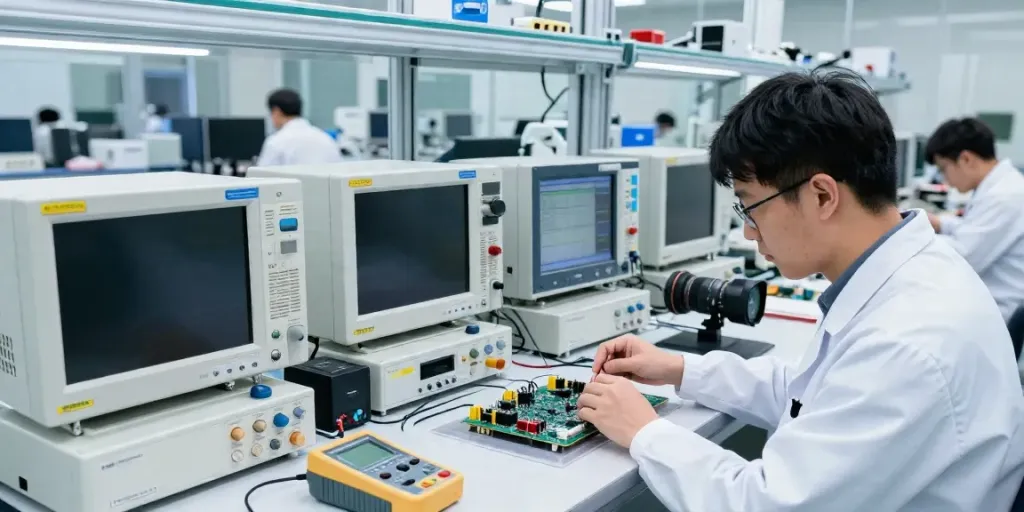
Understanding PCB Assembly Testing Services
PCB assembly testing services are an essential component in the manufacturing and production of printed circuit boards (PCBs). As the demand for electronic devices continues to soar, ensuring the reliability and functionality of PCBs through rigorous testing methods has become paramount. These services not only verify that PCBs meet industry standards but also enhance the overall quality and longevity of electronic products. By investing in comprehensive testing, manufacturers can significantly reduce the risk of failures and improve customer satisfaction. When exploring options, PCB assembly testing services provide comprehensive insights into the latest methodologies and technologies used in the industry.
What are PCB Assembly Testing Services?
PCB assembly testing services encompass a series of evaluations conducted on printed circuit boards after their assembly process. These tests are designed to ensure that the PCBs function correctly and comply with applicable specifications. The types of tests can vary widely, from simple visual inspections to complex electrical tests. The primary goal is to identify any defects or malfunctions that could lead to product failure, ensuring that only the highest quality PCBs are delivered to clients.
Importance of Testing in PCB Production
The significance of testing in PCB production cannot be overstated. With the increasing complexity of electronic devices, the likelihood of defects also rises. Testing helps to:
- Identify manufacturing defects early in the production process.
- Ensure compliance with industry standards and safety regulations.
- Reduce warranty claims and customer dissatisfaction.
- Enhance brand reputation through high-quality products.
In today’s competitive market, companies that prioritize rigorous testing protocols are more likely to gain a competitive advantage by providing reliable products.
Key Types of Testing Services Available
There are several types of PCB assembly testing services that manufacturers can utilize, including:
- Visual Inspection: A basic yet effective way to detect surface defects.
- In-Circuit Testing (ICT): Evaluates the electrical performance of the PCB components.
- Functional Testing: Assesses the overall functionality of the PCB within its intended application.
- Boundary Scan Testing: Utilizes a special technique for testing unaccessible parts of PCBs without physical probes.
- Burn-in Testing: Stress tests components to identify potential early failures.
Common Challenges in PCB Testing
Despite the advantages of PCB assembly testing services, there are challenges that manufacturers frequently encounter during the testing process. Understanding these challenges can help in developing better strategies for quality assurance.
Diagnosing Electrical Failures
One of the most significant hurdles in PCB testing is diagnosing electrical failures. Many failures may not be apparent until the PCB is under load or in a real-world application, making it difficult to pinpoint the exact cause of the problem. Implementing advanced testing techniques can aid in the early detection of these issues.
Managing Testing Costs and Time
Testing can be cost-intensive, especially when utilizing advanced technology or conducting extensive testing protocols. Manufacturers must balance the need for thorough testing with budgetary constraints. Efficient planning and prioritization of testing methods can lead to cost-effective solutions.
Misperceptions About Testing Processes
Another challenge involves overcoming misperceptions about PCB testing processes. Some manufacturers may view testing as merely an additional expense rather than an investment in quality. Educating stakeholders on the long-term benefits of rigorous testing can help shift this perspective.
Best Practices for PCB Assembly Testing
To maximize the effectiveness of PCB assembly testing services, manufacturers should adopt best practices that ensure a robust testing framework.
Implementing a Robust Testing Protocol
A well-structured testing protocol is crucial for consistency and reliability. This includes clearly defined testing phases, documentation of results, and traceability of defects. Regular reviews of these protocols can help in refining processes.
Choosing the Right Testing Methods
Selecting appropriate testing methods based on the specific requirements of a project is vital. Manufacturers should consider factors such as complexity, cost, and the intended application of the PCB when choosing testing techniques.
Continuous Improvement in Testing Procedures
Continuous improvement should be a core principle in PCB testing procedures. By regularly updating testing methods and technologies, manufacturers can stay ahead of industry changes and customer expectations.
Real-World Applications and Case Studies
Examining real-world scenarios where PCB assembly testing has been successfully implemented can provide valuable insights into its effectiveness.
Successful PCB Testing in Various Industries
Different industries leverage PCB testing to enhance product reliability. For instance, the automotive industry employs rigorous functional testing to ensure components can withstand extreme conditions. Similarly, the medical device sector mandates extensive testing to meet regulatory standards.
Lessons Learned from Testing Failures
Analyzing cases where testing failures led to product recalls can provide critical lessons. These instances often highlight the importance of comprehensive testing and the consequences of neglecting quality assurance.
Innovative PCB Testing Techniques in 2026
As technology advances, so do testing methodologies. The emergence of AI and machine learning is enabling more automated and efficient testing processes. These innovations promise to revolutionize how manufacturers approach PCB testing.
Future Trends in PCB Assembly Testing Services
Looking ahead, there are several trends likely to shape the landscape of PCB assembly testing services.
Emerging Technologies Impacting Testing
Technological advancements such as automation and AI are set to transform PCB testing. These tools improve efficiency, reduce human error, and enhance the detection of defects during the assembly process.
Preparing for Evolving Industry Standards
As industries grow, so do the standards governing PCB assembly. Manufacturers must stay informed about changing regulations to remain compliant and competitive. Regular training and updates on industry standards are essential.
Predictions for PCB Testing Landscape in 2026
By 2026, we anticipate that PCB assembly testing will focus heavily on smart testing solutions. This may include real-time monitoring of PCBs during operation, predictive maintenance strategies, and enhanced collaborative testing platforms that leverage cloud technologies.
How much does a PCB test cost?
The cost of PCB testing varies based on the complexity of the PCB and the specific tests required. While fundamental visual inspections may be less expensive, comprehensive testing can incur higher costs due to the need for specialized equipment and expertise.
Can ChatGPT do PCB design?
While ChatGPT is a powerful tool for textual analysis and creation, designing PCBs requires specialized software and skills. However, it can assist in generating ideas or explaining concepts related to PCB design.
What are PCB assembly services?
PCB assembly services involve the process of building circuit boards, which includes placing components on the PCB, soldering them, and conducting tests to verify functionality and reliability.
How much does it cost to assemble a PCB?
The cost of assembling a PCB can vary significantly based on factors like volume, complexity, and the specific components used. Manufacturers should consider these variables when budgeting for assembly services.
What testing methods are most effective for PCBs?
Effective testing methods for PCBs include In-Circuit Testing (ICT) for component analysis, functional testing for end-user application verification, and visual inspections for initial quality checks. The choice of method often depends on the specific needs of the project.