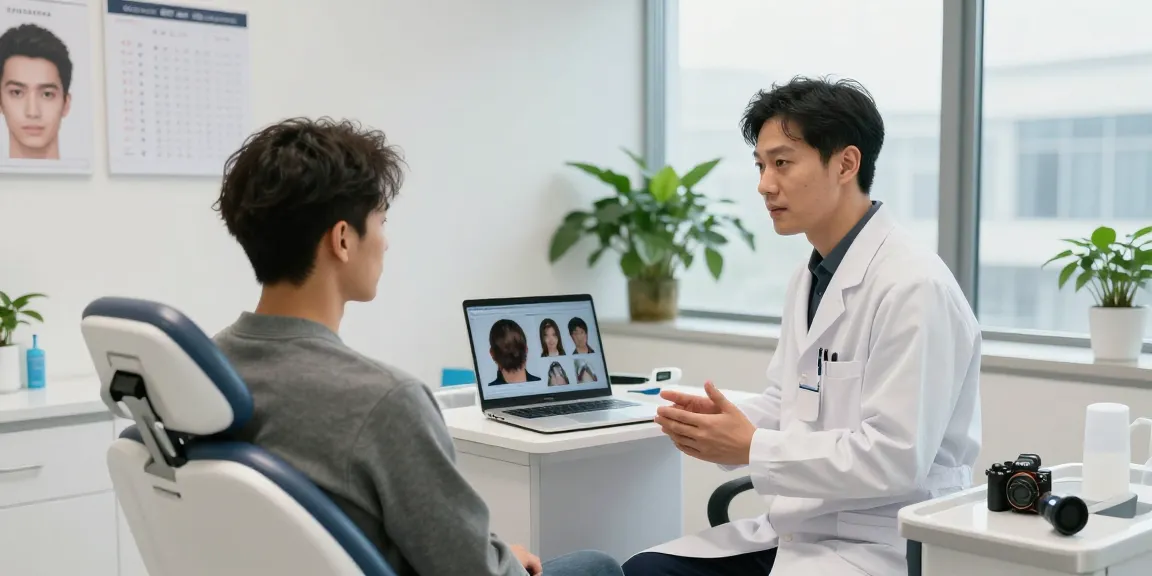
Understanding Hair Transplants: What to Expect
Hair transplants are becoming increasingly popular as more individuals seek effective solutions for hair loss. With advancements in technology and technique, patients can achieve natural-looking, long-lasting results. Specifically, patients are considering options like hair transplant istanbul due to its affordability and high-quality services. In this section, we will explore what hair transplants are, the techniques utilized, and the advantages of opting for treatment in Istanbul.
What is a hair transplant?
A hair transplant is a surgical procedure that involves moving hair follicles from a donor site to a bald or thinning area on the scalp. This procedure is typically performed under local anesthesia and is designed to restore hair growth in areas affected by androgenetic alopecia or other types of hair loss. The results can be permanent, making it an attractive option for those seeking to regain their confidence and youthful appearance.
Common techniques used in hair transplants
There are several techniques employed in hair transplantation, each with its own set of advantages and disadvantages. The two most common methods include:
- Follicular Unit Transplantation (FUT): This method involves removing a strip of skin from the donor area, usually from the back of the head, and then dissecting it into individual grafts containing one to four hair follicles. The grafts are then transplanted into the recipient area. FUT is often used for patients requiring a large number of grafts.
- Follicular Unit Extraction (FUE): In this technique, individual hair follicles are harvested directly from the scalp using a specialized punch tool. This method is less invasive and results in minimal scarring, making it popular among patients looking for a quicker recovery.
Benefits of choosing Istanbul for hair transplant procedures
Istanbul has emerged as a leading destination for hair transplants, attracting patients from around the globe. Some of the key benefits include:
- Cost-Effectiveness: Hair transplant procedures in Istanbul are often significantly cheaper than in Western countries, without compromising on quality.
- Expertise: Many clinics in Istanbul boast experienced surgeons with international accreditations, ensuring high standards of care.
- Comprehensive Packages: Many clinics offer all-inclusive packages that cover not only the procedure but also accommodations and aftercare, making the process seamless for international patients.
Decoding the Costs: Is It Worth It?
Understanding the financial implications of hair transplant procedures is essential for making informed decisions. In this section, we will breakdown the average costs associated with hair transplants in Istanbul, discuss hidden costs, and compare the prices with other regions.
Average costs of hair transplants in Istanbul
On average, the cost of hair transplants in Istanbul ranges from $1,500 to $3,000, depending on the number of grafts needed and the technique used. This pricing is remarkably lower than that of Western countries, where the same procedure could cost anywhere from $4,000 to $15,000.
Hidden costs to consider before your procedure
While the initial quoted price may seem attractive, it is crucial to account for potential hidden costs. These may include:
- Pre-operative consultations and assessments
- Post-operative medications and treatments
- Travel expenses and accommodation
- Any additional procedures that may be necessary for optimal results
Comparing Istanbul prices with other regions
When comparing costs, Istanbul presents a highly competitive option. For instance, hair transplant prices in North America range significantly higher, averaging between $6,000 to $15,000. European clinics also exhibit considerable pricing, with costs starting around $3,000 and potentially exceeding $10,000. Thus, choosing Istanbul offers substantial financial benefits without a compromise on quality.
Choosing the Right Clinic: Key Factors
Selecting the right clinic for your hair transplant is a critical decision that can affect your results and satisfaction. Here are the essential factors to consider:
Accreditation and qualifications of clinics
Ensure that the clinic is accredited by relevant health authorities. Look for certifications from international organizations that oversee medical practices in hair restoration.
Researching doctors and their success rates
Investigate the background of the surgeons. Look for their qualifications, years of experience, and success rates of previous procedures. High-profile clinics often display before-and-after photos of their work, which can be insightful.
Reading patient reviews and testimonials
Online reviews and testimonials can provide a wealth of information about the clinic's reputation. Look for feedback on patient experiences regarding the procedure, staff professionalism, and results achieved.
The Hair Transplant Process: Step-by-Step
Understanding the hair transplant process can help alleviate any anxiety surrounding the procedure. Here’s a breakdown of what to expect:
Initial consultation and planning
The process begins with an initial consultation where the surgeon evaluates your hair loss condition, discusses your goals, and creates a tailored treatment plan. This appointment may also include blood tests and a thorough medical history review.
Understanding the procedure day
On the day of the procedure, you will be greeted by the clinic staff and prepared for surgery. After receiving local anesthesia, the surgeon will either harvest the hair follicles (FUE) or remove a strip of scalp (FUT) before carefully implanting the grafts.
Aftercare and recovery expectations
Post-operative care is crucial for optimal results. Patients are typically given specific instructions for follow-up care, which may include medications to promote healing, guidelines on hair washing, and lifestyle adjustments to avoid stress on the scalp. Recovery times may vary but often take around 7 to 10 days before initial healing is evident.
Future Trends in Hair Restoration: What to Watch
The field of hair restoration is continuously evolving. Keeping an eye on upcoming trends can provide insights into the future of hair transplant procedures. Here are some trends to watch:
Innovations in hair restoration techniques
Advancements in technology, such as robotic-assisted surgeries and improved grafting techniques, are set to revolutionize the hair restoration industry. These innovations aim for more precise placements and quicker recovery times.
Future of hair care post-transplant
Post-transplant hair care products tailored for newly implanted hair are increasingly being developed. These products focus on maintaining hair health and preventing future hair loss.
The evolving landscape of hair transplant clinics in Istanbul
As demand increases, Istanbul is witnessing a surge in new clinics. This competition is leading to enhanced services, better pricing, and more personalized patient care.
What results can I expect after a hair transplant?
Results vary by patient and technique, but most can expect to see visible hair growth within 3 to 6 months post-surgery. Full results usually manifest after 12 to 18 months.
How long does recovery take after a hair transplant?
Patients can expect a recovery period of about 7 to 10 days for initial healing. However, complete results may take up to a year, depending on individual healing rates and grafts success.
Are there any risks associated with hair transplant procedures?
Like any surgical procedure, hair transplants carry risks. These may include infection, scarring, or unexpected results. It's essential to discuss these potential risks with your surgeon during the consultation.
How do I choose the best hair transplant surgeon in Istanbul?
Look for board-certified surgeons with extensive experience in hair restoration. Research their credentials, read patient reviews, and consider the clinic's reputation in the industry.
What aftercare is necessary following a hair transplant?
Post-operative care includes following the surgeon's guidelines, taking prescribed medications, avoiding strenuous activities, and being gentle when washing your hair to promote healing.