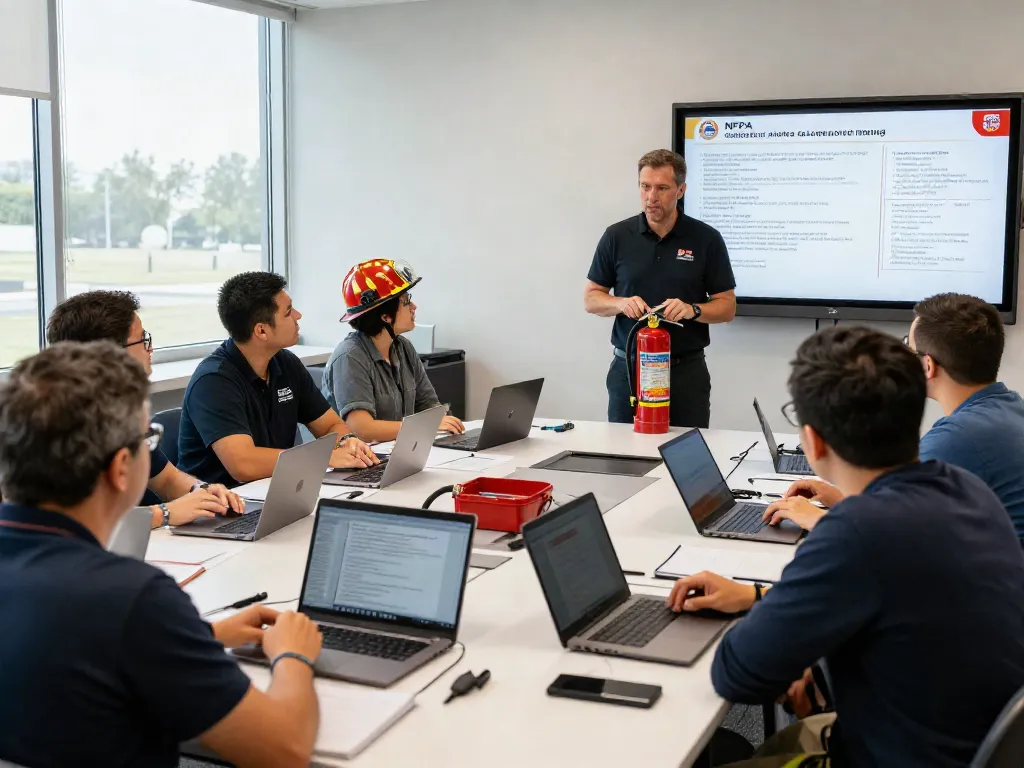
Understanding NFPA Certification Training
The National Fire Protection Association (NFPA) has been a leader in promoting fire safety for over 125 years. As a globally recognized authority, NFPA is committed to reducing the risks associated with fire and electrical hazards through rigorous training and certification programs. NFPA Certification Training is essential for professionals seeking to enhance their knowledge and skills in fire protection, emergency management, and risk assessment. This article explores what NFPA certification entails, its importance, and the various training programs available.
What is NFPA Certification?
NFPA certification signifies that an individual has demonstrated proficiency in fire safety standards, emergency response, and risk management strategies established by NFPA. The certification process is rigorous and tailored to ensure that professionals are equipped to handle the demands of their roles effectively. Certification is essential not just for personal development, but also for organizations looking to ensure compliance with national and international safety regulations.
Importance of Fire Safety Training
Fire safety training is vital for several reasons. First and foremost, it saves lives. According to the NFPA, in 2020 alone, fire departments in the United States responded to approximately 1.3 million fires. The ability to prevent fires, respond effectively, and maintain safety protocols can drastically reduce injuries and fatalities. Furthermore, effective training helps organizations limit financial losses associated with fire damage, which can be immense. Implementing a culture of safety through NFPA training not only protects lives but also safeguards property and ensures business continuity.
Overview of NFPA Standards
Navigating the intricate landscape of fire safety standards can be daunting. NFPA has developed a wide range of codes and standards that govern various elements of fire protection—from building construction to fire alarm installations and emergency response protocols. Familiarity with these standards is crucial for professionals in architecture, engineering, fire services, and safety management. Adhering to NFPA standards ensures that organizations meet regulatory requirements and maintain high levels of safety and compliance.
Different Types of NFPA Certifications
Core Certifications Available
NFPA offers a variety of core certifications that cater to different professionals within the fire safety domain. These core certifications include:
- Certified Fire Protection Specialist (CFPS): This certification focuses on fundamental fire protection knowledge and best practices.
- Certified Life Safety Specialist (CLSS): This track emphasizes life safety practices within buildings and public spaces.
- Certified Fire Investigator (CFI): This program is designed for professionals who investigate the causes of fire incidents.
Specialized Training Programs
In addition to core certifications, NFPA provides specialized training programs that address specific areas of fire safety and risk management. Examples of specialized programs include:
- Electrical Safety Program: Essential for professionals working with electrical systems to understand safety protocols.
- Industrial Fire Protection: Tailored for those in industrial settings, focusing on the unique risks associated with such environments.
- Hazardous Materials Response: Training designed for first responders on handling hazardous materials safely.
Comparative Analysis of Certification Levels
Understanding the differences between certification levels is crucial for career progression. NFPA certifications can be grouped into three primary tiers: basic, intermediate, and advanced. Basic certifications provide foundational knowledge, intermediate ones build on this knowledge and introduce complex concepts, while advanced certifications are suited for seasoned professionals looking to develop leadership qualities and strategic decision-making abilities.
Benefits of NFPA Certification Training
Enhancing Workplace Safety
One of the most significant benefits of NFPA Certification Training is the enhancement of workplace safety. Training equips employees with the knowledge and skills to prevent accidents, respond promptly to emergencies, and implement safety protocols effectively. A well-trained workforce is essential to fostering a culture of safety, which can have long-lasting benefits for the organization.
Career Advancement Opportunities
For individuals, obtaining NFPA certification can lead to numerous career advancement opportunities. Certified professionals are often viewed as leaders in their field, leading to positions with greater responsibility and higher salaries. Certification not only enhances one’s resume but also increases employability in a competitive job market, as employers often prefer candidates who demonstrate a commitment to professional development.
Cost-Effective Training Solutions
Investing in NFPA Certification Training can lead to long-term cost savings for organizations. Minimizing workplace hazards reduces potential liabilities and costs associated with accidents. Furthermore, many organizations find that offering on-site training for larger groups results in cost savings compared to sending employees to external training sessions. With customizable training options available, organizations can tailor content to meet specific needs, ensuring maximum return on investment.
How to Prepare for NFPA Certification Exams
Study Resources and Tools
Preparation is key to success in attaining NFPA certifications. Numerous resources are available, including textbooks, online courses, and study guides that cover relevant standards and practices. Joining study groups or forums can also provide peer support and additional insights into challenging topics. Utilizing practice exams is another effective way to gauge readiness and identify areas needing further study.
Best Practices for Exam Success
Successful exam preparation involves understanding the exam format and content. Candidates should allocate ample time for study and practice, focusing not only on memorization but also on the comprehension of key concepts. Establishing a study schedule and adhering to it can lead to a more organized and effective preparation process.
Common Pitfalls to Avoid
While preparing for NFPA certification exams, candidates should avoid common pitfalls such as procrastination, inadequate study time, and neglecting practical applications of knowledge. It's essential to regularly review material and practice using real-life scenarios to ensure a thorough understanding of the material.
Future Trends in Fire Safety Training (2026 and Beyond)
Technological Innovations in Training
The future of fire safety training is closely tied to technological advancements. Virtual reality (VR) and augmented reality (AR) are becoming increasingly popular, offering immersive training experiences that enhance learning. Interactive simulations allow trainees to practice emergency response without the risks associated with real-life scenarios. As technology continues to evolve, it will likely play a significant role in how fire safety training is delivered.
Shifting Regulations and Standards
In response to changing environments and emerging risks, fire safety regulations are expected to evolve. Professionals in the field must stay updated with these changes to ensure compliance and effective risk management. Continuous education through accredited programs will be essential for keeping pace with new standards.
Predictions for NFPA Training Approaches
As the landscape of fire safety training continues to change, NFPA is expected to adapt its training approaches to meet the evolving needs of industries. This may include more flexible training formats, such as asynchronous online learning, hybrid courses that blend in-person and virtual training, and personalized learning pathways, allowing professionals to tailor their learning experiences according to their specific career goals and challenges.
What is NFPA Certification Training?
NFPA Certification Training is a structured program designed to equip individuals with the necessary skills and knowledge to effectively manage fire safety risks and ensure compliance with established standards. The training encompasses various aspects of fire protection, including prevention strategies, emergency response planning, and hazard analysis.
Are NFPA Certifications Worth It?
Yes, NFPA certifications are highly regarded in the industry. They not only validate an individual’s expertise but also signify a commitment to professional development and adherence to safety standards. Many employers recognize the value of NFPA certifications, often leading to better job prospects and advancement opportunities.
How Long Does it Take to Get NFPA Certification?
The duration to obtain NFPA certification varies based on the program and individual preparation. Generally, candidates can expect to spend several weeks to months studying before sitting for the exam. Some courses may provide accelerated options, while others may require more extensive preparation, depending on the complexity of the material.
How Much Does NFPA Certification Cost?
Costs for NFPA certification can vary significantly based on the type of certification and the training provider. Generally, candidates should budget for course materials, examination fees, and any associated training costs. Many organizations offer bulk training packages which can reduce overall expenses for companies wishing to train multiple employees.