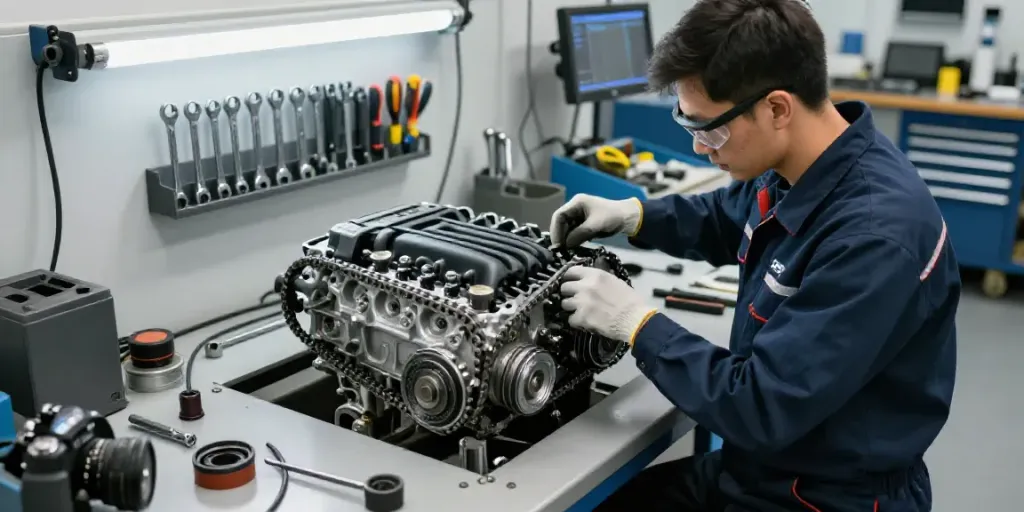
Understanding the Importance of BMW Timing Chains
The timing chain is a crucial component in a BMW engine, responsible for synchronizing the rotation of the crankshaft and camshaft. This synchronization ensures that the engine's valves open and close at the proper times during each cylinder's intake and exhaust strokes. Unlike timing belts, timing chains are designed to last longer and resist wear better, but they are not immune to issues. Understanding their role in your BMW's engine and the consequences of failure is vital for any BMW owner, particularly in regions like Hannover. For detailed assistance on this topic, bmw steuerkette hannover offers valuable resources.
What is a Timing Chain and Its Role?
The timing chain is a metal chain that connects the crankshaft to the camshaft(s) in your BMW engine. It is essential for maintaining the correct timing of the engine's operations. In essence, the timing chain controls the opening and closing of the engine's valves, ensuring that they function in harmony with the movement of the pistons. This is vital for engine performance and efficiency, as incorrect timing can lead to severe engine damage.
Common Issues with BMW Timing Chains
Despite their durability, timing chains can experience several issues, typically linked to wear and tear or inadequate lubrication. Some common problems include:
- Stretching: Over time, the timing chain can stretch, affecting its ability to maintain proper timing.
- Wear on Gears: The gears connected to the timing chain can wear down, leading to further timing issues.
- Oil Flow Issues: If the engine oil is low or contaminated, it can impede the timing chain's lubrication, increasing wear.
- Failure of the Chain Tensioner: A faulty tensioner can result in a loose chain, causing noise and potential failure.
Signs of Timing Chain Failure in BMW Vehicles
Recognizing the signs of timing chain failure is crucial. Here are some symptoms to watch out for:
- Engine Noise: A rattling sound from the engine, especially when starting, may indicate chain problems.
- Check Engine Light: If this light comes on, it could signal timing chain or timing issues.
- Rough Idling or Stalling: If the engine doesn't run smoothly, it could be a sign of misalignment.
- Loss of Power: A noticeable decrease in engine power can also be a sign of timing chain problems.
Cost of Timing Chain Replacement in Hannover
Understanding the costs associated with timing chain replacement is essential for budgeting maintenance. The prices can vary widely based on several factors, including the model of your BMW and labor rates in Hannover.
Average Costs for BMW Steuerkette Wechseln
The average cost for replacing a timing chain in a BMW can range from €1,000 to €3,000. This price typically includes both parts and labor. However, costs can escalate depending on the specific model and any additional repairs that may be required during the replacement process.
Comparing Prices Among Different Specialists
When looking for a BMW specialist in Hannover, it's wise to compare quotes from multiple service centers. Some may offer more competitive rates than others, but it's crucial to consider their reputation and the quality of their workmanship. Look for reviews and testimonials to ensure you're making a wise choice.
Factors Influencing Replacement Costs
Several factors can influence the cost of timing chain replacement:
- Model and Engine Type: Different BMW models and engine types can have varying complexity in terms of accessing and replacing the timing chain.
- Condition of Other Components: If other engine components require replacement during the service, costs can increase significantly.
- Labor Rates: Different shops may charge different labor rates based on their expertise and location.
Best Practices for Maintaining Your BMW’s Timing Chain
Maintaining your BMW's timing chain can help prolong its life and prevent costly repairs. Here are some effective strategies:
Regular Maintenance Tips
- Use High-Quality Oil: Regularly changing your engine oil with high-quality products can prevent premature wear on the timing chain.
- Check Tensioner Regularly: Ensure that the timing chain tensioner is functioning correctly to maintain proper tension on the chain.
- Listen for Unusual Noises: Pay attention to any unusual sounds from the engine and consult a mechanic if you notice anything concerning.
Choosing the Right Specialists in Hannover
Selecting a qualified BMW specialist is essential for accurate maintenance and replacement of the timing chain. Look for certified mechanics with positive reviews and experience with your specific model.
Common Misconceptions About Timing Chains
There are several misconceptions about timing chains that can lead to misunderstanding their importance:
- Timing Chains Don't Need Maintenance: While they last longer than belts, timing chains still require appropriate maintenance and monitoring.
- Any Mechanic Can Replace a Timing Chain: It's best to choose a mechanic with specialized knowledge of BMW engines to avoid potential issues.
DIY vs. Professional Replacement: Which is Right for You?
Choosing between a DIY approach or hiring a professional for timing chain replacement can depend on various factors, including your mechanical skills and equipment access.
Pros and Cons of DIY Timing Chain Replacement
While DIY repairs can save money, replacing a timing chain is a complex task that requires specific skills and tools. Consider the following:
- Pros: Cost savings and a sense of accomplishment.
- Cons: Risk of mistakes that can lead to severe engine damage and additional costs.
What to Expect from Professional Services
Hiring a professional ensures that the replacement is done correctly and efficiently. Professionals come equipped with the right tools and experience, significantly reducing the risk of errors.
Assessing Your Skill Level Before Attempting DIY
Before deciding to tackle the job yourself, evaluate your mechanical skills honestly. If you're unfamiliar with engine mechanics or lack the necessary tools, it may be best to seek professional help.
Future Trends in BMW Engine Maintenance for 2026
As we look towards the future, various trends are emerging in engine maintenance that could impact BMW owners.
Technological Innovations in Engine Repair
Advancements in technology, including diagnostic tools and automated systems, are making it easier to identify and resolve engine issues more promptly and accurately.
Predicted Changes in Maintenance Costs
The trend towards electric vehicles could also influence maintenance costs, potentially decreasing the frequency of some traditional maintenance procedures, including timing chain related services.
Emerging Techniques for Efficient Repairs
Innovative repair techniques that utilize advanced materials and methods to improve engine performance and longevity are expected to gain traction.
What Are the Signs That a BMW Timing Chain Needs Replacement?
In addition to the previously mentioned symptoms, if you experience any engine misfires or a decrease in fuel efficiency, it may indicate an issue with your timing chain.
How Often Should BMW Owners Change Their Timing Chains?
While timing chains are designed to last, routine inspections are recommended every 60,000 to 100,000 kilometers to ensure they remain in good condition.
Are there Specific BMW Models More Prone to Timing Chain Problems?
Certain BMW engine models, such as the N47 and N20 series, have been noted for experiencing timing chain issues more frequently. It's crucial to stay informed about your specific model's reputation.
What Should I Do If My Timing Chain Fails?
If your timing chain fails, it is critical to stop driving your vehicle immediately to prevent further engine damage. Have it towed to a qualified specialist as soon as possible.
How Can I Find the Best BMW Timing Chain Specialists in Hannover?
To locate reliable BMW timing chain specialists in Hannover, consider searching online directories, reading customer reviews, and asking for recommendations from fellow BMW owners.