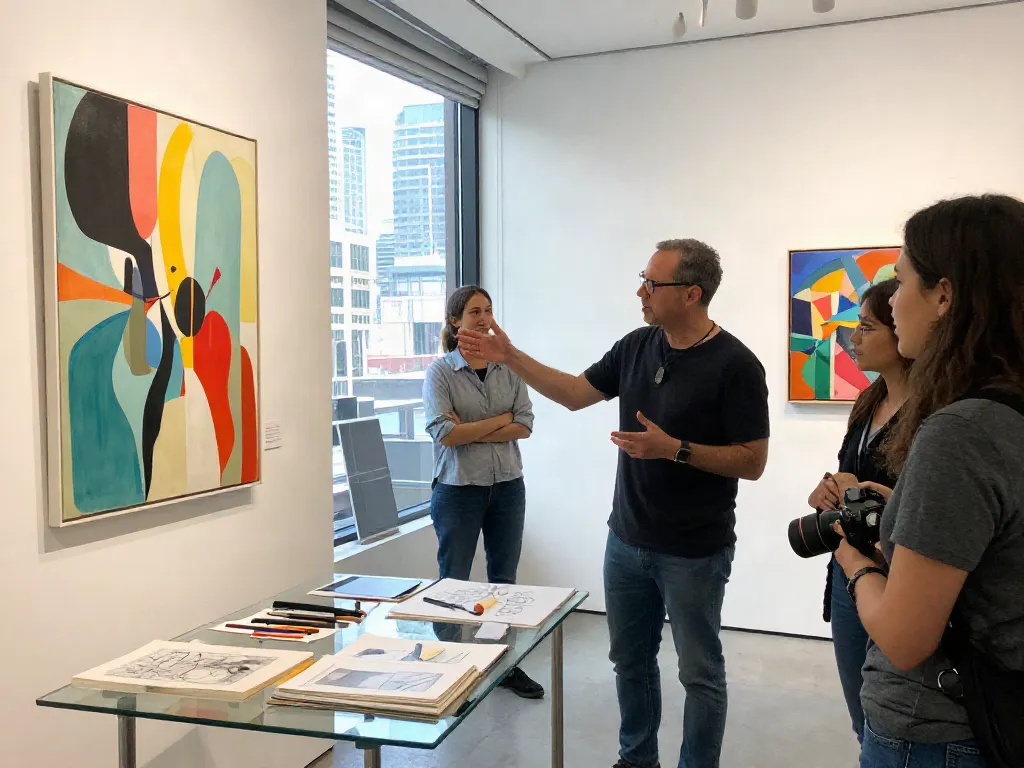
The Influence of Bruce Bailey in Toronto's Art Scene
Bruce Bailey is a name that resonates within the vibrant art community of Toronto. As an influential art collector and philanthropist, he has played a pivotal role in shaping the contemporary art landscape of Canada. With a keen eye for talent and an unwavering commitment to supporting artists, Bailey's contributions are felt not only through his extensive collection but also through his advocacy for emerging creatives. For those interested in this dynamic figure, the profile of Bruce Bailey Toronto provides comprehensive insights into his journey and impact.
Who is Bruce Bailey?
Bruce C. Bailey is recognized as a prominent art collector and patron in Toronto, having established himself as a key advocate for the Canadian and international art scenes. With a background in investment banking, Bailey has transitioned seamlessly into the role of a cultural benefactor, utilizing his financial acumen to support numerous arts initiatives. His journey into the art world began with a passion for contemporary works, leading him to assemble an impressive collection that highlights both established and emerging talents.
Bailey's impact extends beyond mere collecting; he actively participates in dialogues surrounding art and culture, often serving as a mentor for young artists. Known for his approachable demeanor and willingness to share knowledge, he has become a beacon for those aspiring to navigate the complexities of the art world.
Impact on Canadian Art and Culture
The significance of Bruce Bailey's contributions to Canadian art cannot be overstated. His efforts have helped elevate the profile of local artists, allowing for greater visibility and opportunities within both national and international platforms. Bailey is not just a collector but also an advocate who believes in empowering artists to push their creative boundaries.
Through his patronage, he has facilitated numerous exhibitions that showcase the talents of up-and-coming artists, ensuring that their work garners the recognition it deserves. This commitment to fostering a vibrant art community resonates deeply with the mission of many art organizations across Canada, making Bailey a pillar of support in the artistic landscape.
Collaborations and Projects with Local Artists
Over the years, Bailey has engaged in various collaborations with local artists, providing them with critical resources and exposure. His initiatives often include funding for gallery exhibitions and artist residencies, which are essential for nurturing creativity and innovation in the arts. The Bailey Collection, a testament to his discerning taste, features artworks from diverse mediums and styles, reflecting the rich tapestry of the Toronto art scene.
Bailey's influence can also be seen in partnerships with prestigious institutions, where he plays a vital role in organizing events that celebrate Canadian art. His vision often involves creating platforms where artists can engage with audiences, share their stories, and connect with potential collectors, bridging the gap between creation and appreciation.
Understanding Art Collecting
What Is Art Collecting?
Art collecting is the practice of acquiring and managing a collection of artworks, typically driven by personal passion, investment potential, or a commitment to cultural preservation. Collectors, ranging from private individuals to institutions, engage in this pursuit with varying motivations and levels of expertise. Bruce Bailey, for example, embodies a collector who values both artistic merit and the stories behind the artworks he collects.
Types of Art Collectors: From Enthusiasts to Investors
Art collectors can generally be categorized into three main types:
- Enthusiasts: These collectors pursue art for personal enjoyment and emotional connection. They often focus on pieces that resonate with their tastes or reflect their values.
- Curators: More engaged in the presentation and curation of art, these collectors often have extensive knowledge of art history and actively participate in exhibitions.
- Investors: Driven by financial gain, these collectors view art as an asset class and may focus on acquiring works by established artists or pieces that have the potential to appreciate significantly in value.
Steps to Start Your Own Collection
Embarking on an art collection journey can be both exciting and daunting. Here are some steps to consider when starting your own collection:
- Define Your Interests: Determine which types of art resonate with you. This could include specific styles, mediums, or themes.
- Set a Budget: Establish how much you are willing to invest in your collection. It's essential to remain aware of your financial limitations.
- Do Your Research: Study artworks, artists, and trends in the market. Understanding the art world will help you make informed decisions.
- Visit Galleries and Art Fairs: Attending local exhibitions and fairs can introduce you to a variety of artists and collectors.
- Network: Build relationships with other collectors, gallerists, and artists. Networking can provide valuable insights and opportunities.
- Start Small: Begin with smaller, manageable pieces before working your way up to larger or more significant acquisitions.
Supporting Emerging Artists in Toronto
Importance of Supporting Local Talent
Emerging artists are vital to the cultural vibrancy of any city, and Toronto is no exception. Supporting local talent fosters a diverse and dynamic art scene that reflects the community's values and narratives. New artists bring fresh perspectives, challenge the status quo, and enrich the cultural fabric of the city.
Bruce Bailey understands the importance of this support—he has committed to creating opportunities for young artists to showcase their work and connect with established figures in the art world. By investing in these creatives, Bailey not only enhances the local art landscape but also contributes to the broader narrative of Canadian culture.
Bruce Bailey's Advocacy for Artists
Bailey's advocacy efforts are extensive, often focusing on mentorship and financial support for artists. He champions initiatives that help artists gain exposure, including the establishment of grants and awards that recognize outstanding talent. His proactive approach has inspired many other collectors and patrons to follow suit, creating a ripple effect throughout the community.
By participating in panels, lectures, and workshops, Bailey shares his expertise, helping artists navigate the complexities of the art market and providing guidance on professional development. His belief in the potential of emerging talent solidifies his role as a crucial ally in the art community.
Programs and Initiatives for Emerging Creatives
Several programs and initiatives have been developed to support emerging artists in Toronto, many of which have been influenced by Bailey’s advocacy:
- Artist Residency Programs: These programs provide artists with dedicated time and space to create, often culminating in exhibitions that highlight their work.
- Grant Opportunities: Funding specifically aimed at emerging artists can significantly alleviate financial burdens and facilitate the production of new work.
- Mentorship Programs: Pairing experienced artists with newcomers fosters learning and growth, allowing for knowledge transfer and professional development.
- Collaborative Projects: Encouraging teamwork among artists can lead to innovative results and propel new ideas within the community.
Building a Community through Art
The Role of Art Galleries in Community Engagement
Art galleries serve as more than just exhibition spaces; they play a crucial role in community engagement. They bring together artists, collectors, and the public, fostering relationships and creating dialogue around contemporary issues through art. Bruce Bailey's support of local galleries helps ensure that these venues remain accessible and vibrant, offering programming that invites community participation.
Moreover, galleries can act as catalysts for social change by featuring artists who address pressing issues, thus sparking conversations that resonate with audiences on multiple levels.
Networking Opportunities for Artists and Collectors
Networking is essential in the arts. It creates opportunities for collaboration, exposure, and growth. Bailey emphasizes the importance of building robust networks, where artists can connect with collectors, curators, and fellow artists. Events such as gallery openings, art fairs, and workshops offer invaluable chances for networking.
These interactions can lead to mentorship arrangements, exhibitions, and collective projects, all of which are beneficial for both established and emerging artists.
Impact of Art on Urban Development
Art plays a significant role in urban development, contributing to aesthetic beauty and cultural identity. In Toronto, public art installations and community projects have transformed neighborhoods, enhancing their appeal and fostering a sense of pride among residents. Bailey’s initiatives often align with urban development strategies, leveraging art to create livable and engaging spaces.
By incorporating art into urban planning, cities can address issues such as community cohesion and cultural representation. This synergy between art and urban development not only benefits artists but also enriches the lives of the community members.
Future Trends in the Art World (2026 and Beyond)
Emerging Technologies in Art Collection
The intersection of technology and art is rapidly evolving, with innovations such as virtual reality (VR), augmented reality (AR), and blockchain transforming how collectors interact with art. These technologies offer new ways to experience, own, and trade art, often appealing to a younger demographic that values engagement and interactivity.
For instance, digital art platforms are becoming increasingly popular, allowing artists and collectors to showcase and transact art in virtual environments. As these technologies advance, traditional collectors like Bruce Bailey may need to adapt their strategies, integrating digital assets into their collections while continuing to support physical art forms.
Sustainability in the Art Market
With growing awareness of environmental issues, sustainability is becoming a significant focus in the art market. Many artists and collectors are now prioritizing eco-friendly practices and materials in their work. Bruce Bailey’s commitment to supporting environmentally conscious artists reflects this trend, as he champions initiatives that incorporate sustainability into the creative process.
Collectors are increasingly considering the ecological impact of their acquisitions, leading to a demand for artworks that are not only aesthetically pleasing but also ethically produced. This shift presents an opportunity for artists to connect with a conscientious clientele, fostering a new wave of creativity rooted in sustainability.
Predictions for the Toronto Art Scene
As the Toronto art scene continues to flourish, several predictions can be made for the coming years:
- Increased collaboration between artists and tech companies will lead to groundbreaking projects that redefine art experiences.
- A growing emphasis on diversity and representation in exhibitions will reflect the multicultural fabric of the city.
- Public engagement through art will become a priority, with more initiatives aimed at involving communities in creative processes.
- The integration of sustainable practices in art production will transform how artists create and consumers purchase art.
- Emerging artists will leverage social media and online platforms to reach audiences, changing the landscape of how art is marketed and sold.
How Can Art Influence Society?
Art possesses the unique ability to influence societal change by challenging norms, provoking thought, and inspiring action. Artists, through their work, can address critical issues, evoke emotion, and foster dialogue, serving as agents of change within their communities. Bailey’s advocacy highlights this potential, as he supports artists whose work engages with pressing social themes.
By promoting art that speaks to the human experience, collectors and patrons can play a crucial role in amplifying messages that resonate with broader societal movements.
Will Digital Art Replace Traditional Art Forms?
While digital art is on the rise, it is unlikely to entirely replace traditional art forms. Instead, both will coexist, offering distinct experiences and avenues for expression. Bruce Bailey’s collection illustrates this balance, as he appreciates both contemporary digital works and classic mediums.
The future may indeed see a blending of these forms, where digital techniques enhance traditional practices, allowing for innovative creations that honor the past while embracing the future.